
- Introduction
- What Makes a Wig Look Fake in the First Place?
- Start With a Wig That Is Easier to Make Look Natural
- Make Sure the Wig Sits Like Natural Hair
- The Hairline Is Where a Wig Usually Gives Itself Away
- Make the Wig Look Like Your Hair, Not a Wig From the Box
- Match the Wig to Your Face and Everyday Style
- Keep It Natural After the First Wear
- A Natural-Looking Wig Checklist
- Conclusion
Introduction
Your wig can have gorgeous strands, but it still noticeably appears like you’re wearing a wig. So, what actually makes the difference?
Surprisingly, the hair itself won't create realism, but it is often tied to small details that can drastically affect how it blends, sits, and even moves on your head. With the right realistic hairline, fit, accurate density, and customized styling, your wig can be much less noticeable. That doesn't mean you need an extensive customization process; with the right starting point and a few simple adjustments, you can achieve a natural finish that looks like your real hair.
So, if you are still wondering, “how to make a wig look natural,” this guide shares the details that matter most for elevating your overall look and creating a smooth transition.
What Makes a Wig Look Fake in the First Place?
Before you make any major adjustments, it's important to understand why your wig looks artificial.
Here are some common issues that you might have noticed but neglected:
- Incorrect wig cap size.
- Your wig sitting too far backward or forward.
- Experiencing a very dense or straight hairline.
- The lace isn't blending properly with your skin.
- Appearing overly shiny.
- Excessive hair density.
- Having bulky or uneven hair strands underneath it.
- Untouched-looking style straight from the packaging box.
Even if your wig is expensive and high quality, it can still look less natural if it isn't properly fitted or customized correctly.
Your goal should not be to change your human hair wig completely, but to remove any noticeable details you are already wearing.
Start With a Wig That Is Easier to Make Look Natural
A wig looks natural when it has a good foundation and is easy to wear.
Human hair is a top-notch choice for most wearers; you can easily style it in different ways, and it has natural movement. Moreover, its density and texture matter too. Usually, a wig that closely resembles your real hair requires minimal customization.
Another important factor is its construction. Lace front wigs can help you create a more realistic-looking transition around your forehead, while full lace designs give you more flexibility for styling and parting.
You must consider these factors whenever you are making a wig-buying decision:
- Natural Texture: Always select those that work well with your preferred style.
- Hair Type: With 100% human hair, you will get more styling versatility and realistic movement.
- Lace Design: Choose those that seamlessly blend with your complexion.
- Hair Density: Do not select more hair than you need for daily wear.
- Cap Size: Always measure your head, then compare your measurements with the size chart offered by the brand.
When you make a wise decision at the start, you will need less customization later.
Make Sure the Wig Sits Like Natural Hair
A wig that doesn't fit correctly can look unnatural, even if the hair is high quality. Start by preparing natural hair underneath. The goal is to create a surface that has no unnecessary bumps. Depending on hair length and thickness, you can use braids, a low style, or another comfortable method to keep hair close to the head.
Once the wig is on, check the fit carefully. A loose wig can move around. It can create unwanted bulk, while a wig that is too small may sit incorrectly or feel uncomfortable. Adjustable straps or other built-in features can help achieve a secure fit when used correctly.
Look at the wig from the front and from both sides. The wig should sit comfortably and follow the natural shape of the head. A good fit creates the foundation for everything.
The Hairline Is Where a Wig Usually Gives Itself Away
The hairline is one of the areas to check when trying to create a realistic finish. A straight, thick hairline can look artificial because natural hairlines usually have some variation. Lace can help create a transition, but the placement and blending still matter.
If your wig has lace, carefully trim it according to the manufacturer's instructions. Be careful not to cut close or damage the lace.
Depending on the wig, you may also consider:
- Lightly customizing a hairline
- Creating a few subtle baby hairs
- Adjusting the part
- Using adhesive when necessary
- Blending the lace with your complexion
- Applying an amount of makeup around the lace or part when appropriate
However, customization is not always necessary. Some wigs already have a natural hairline. Avoid overdoing it. Many baby hairs or excessive plucking can make the hairline look less realistic rather than more realistic.
Make the Wig Look Like Your Hair, Not a Wig From the Box
A wig that comes from the box often looks very uniform. Natural hair usually moves more and has more variation. Styling can make a difference here.
Try changing the part, adding waves, creating gentle layers, or simply moving some of the wig away from the face. Small adjustments can make the wig feel more personal. If the wig looks too shiny, especially if it's synthetic, you may need to reduce the shine.
Avoid making the wig look too perfect. Natural hair does not always sit perfectly in place. A little movement can make a big difference. The goal is to make the wig look like a hairstyle you chose—not something you simply put on from the box.
Match the Wig to Your Face and Everyday Style
A wig can look real but still feel wrong if the style does not correctly fit your head.
Think about your face shape, your hairstyles, where you like to part, and your daily routine. A wig that looks great on someone may not look the same on you.
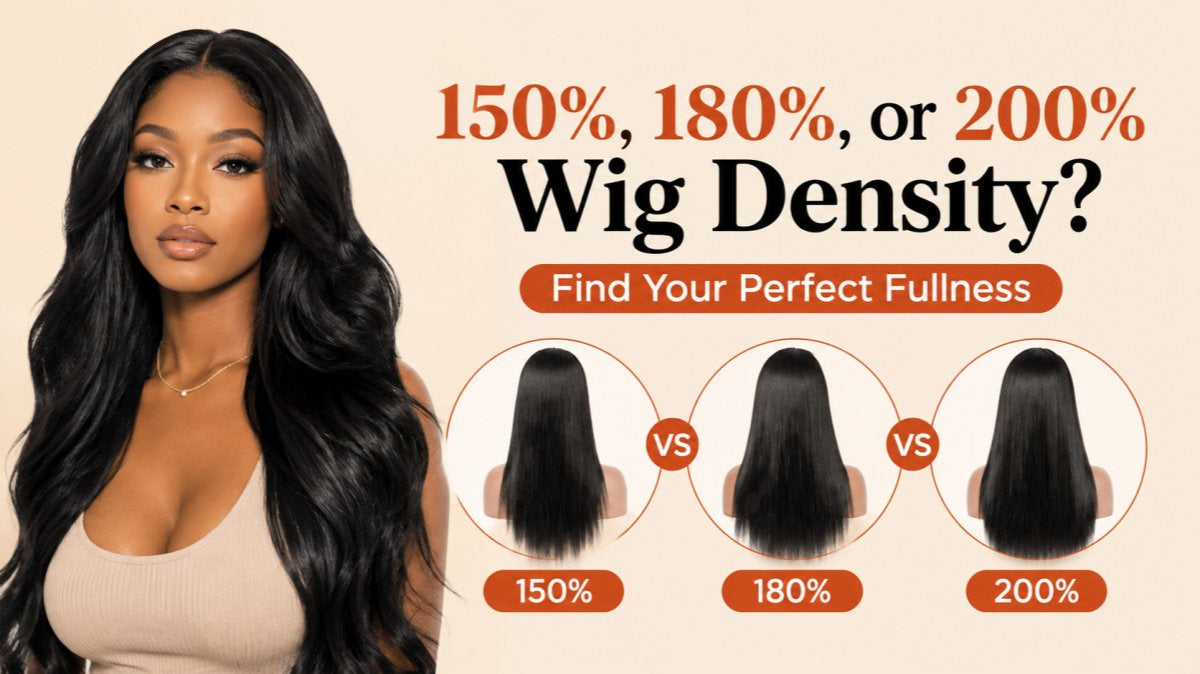
Density is another point. A full wig can look dramatic, while a lighter density can give a softer everyday look.
Think about how you wear your hair. If you like styles, pick a wig that you can wear comfortably without constant adjustment.
You can also personalize the wig with:
- A part
- Face-framing layers
- Soft curls or waves
- A side-swept style
- A simple ponytail or updo when the wig construction allows it
The more naturally the wig fits into your personal style, the more believable the wig will look.
Keep It Natural After the First Wear
Getting the look right is only part of the process.
Proper maintenance helps keep the wig looking good over time. You must follow the proper care instructions provided for your wig. Human hair generally benefits from washing, conditioning, gentle detangling, and appropriate storage.
When the wig is not being worn, store the wig in a way that helps protect its shape and prevents tangling. Pay attention to the hairline and lace well. Makeup, oils, and styling products can build up around these areas. Clean them gently. Avoid unnecessary rubbing or pulling.
Heat styling should also be used carefully; if the wig can be heat styled, use a heat protectant and the correct temperature for the wig.
A well‑maintained wig will continue to look softer and more natural rather than becoming dry, tangled, or overly styled.
A Natural-Looking Wig Checklist
Before you go outside, you must check these details:
- The wig fits securely and comfortably.
- Your natural hair underneath is smooth and flat.
- The wig sits in a position.
- The lace blends well with your skin.
- The hairline does not look straight or dense.
- The part looks natural.
- The hair has more movement than looking stiff.
- The density suits your face and style.
- The hairstyle looks like something you would normally wear.
- The wig is clean, detangled, and properly maintained.
Conclusion
In the end, we can conclude that your natural hairline, correct fit, and styling will make a significant difference in how your wig should look. You must consider HD lace wigs for a seamless finish. Beeos Hair is now offering sheer and realistic-looking lace wigs that deliver a natural hairline.
Ready to transform your overall appearance? Explore our exclusive HD Lace Wigs Collection and find your best-suited match today!